2017
The Halmstad Municipality award of honor
La Rosa Profunda (The Infinite Rose) is a commissioned piece from the city for the 700-year anniversary in 2007


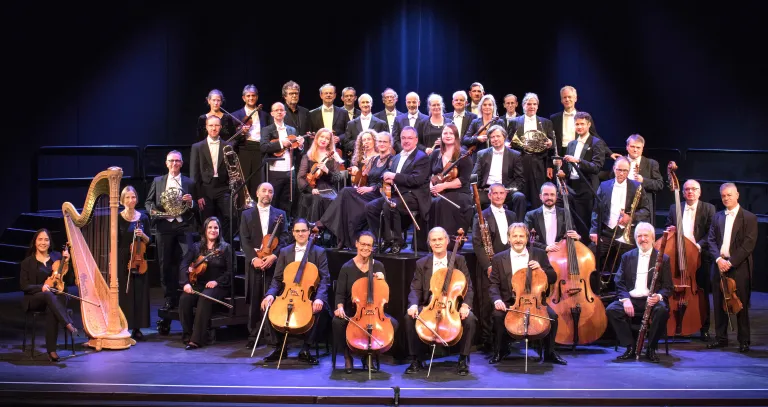
An international composition competition for orchestral works. Apply by 15 January 2027.
Read more about the competition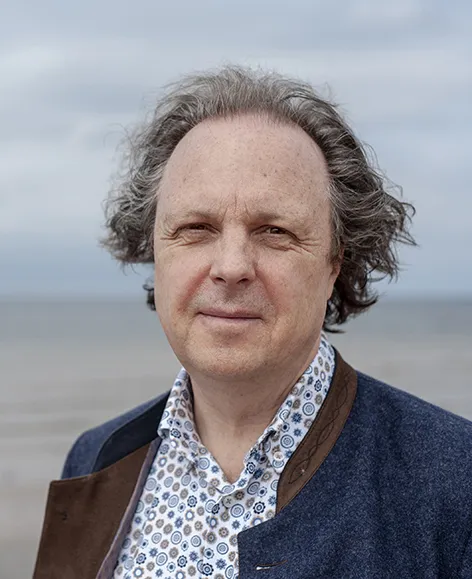
Tommie Haglund was born in Kalmar 1959, and started to compose at the age of eleven.
Having studied the classical guitar in London and at the Royal Academy of Music in Århus Danmark, he then returned to composition, taking private lessons with Dr. Eric Fenby, professor at The Royal Academy in London and amanuensis to Frederick Delius, and with the Swedish composer Sven-Eric Johansson in Göteborg.

La Rosa Profunda (The Infinite Rose) is a commissioned piece from the city for the 700-year anniversary in 2007
"Significant efforts for Swedish music"
Awarded for the cello concerto Flaminis Aura
For valuable contributions to the western Swedish cultural life
The Daughter of the Voice — "The most significant work of the year"
Haglund is one of Sweden’s most individual composers with a philosophically founded hyper sensitive and colourful musical language that can make the listener feel an almost meditative intensification.
Tony Lundman Editor at Stockholm Concert Hall
Flaminis Aura – BIS CD review: This is the kind of music that makes you believe there is a future and relevance for contemporary music… Unique and powerful music, stunningly played and recorded – a disc of the month and the disc of the year for me.
Nick Barnard Music Web International
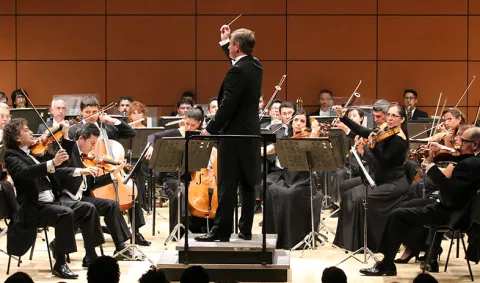
All the way from Bogotá in Colombia, the guest Orquesta Filarmónica de Bogotá is coming to Sweden in April. The orchestra is considered one of South America’s finest orchestras and is conducted by Swedish conductor Joachim Gustafsson, the orchestra’s chief conductor since 2021.
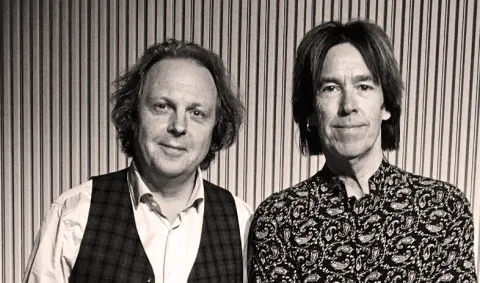
Per Gessle and Tommie Haglund write music together. Tommie Haglund represents classical music, he has composed chamber music, works for orchestra and for choir.

The fact that a Swedish composer devotes an interview book is one of the exceptions. It happened when Leif Aare published his book about Allan Pettersson’s music.